Uterus & fibroids
Check the size and shape of the womb and look for fibroids and polyps.
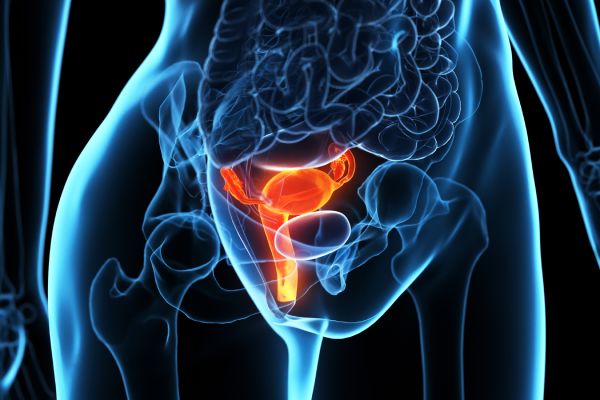
A detailed look at the uterus, ovaries and surrounding structures — for pelvic pain, heavy or irregular periods, suspected fibroids, cysts, PCOS or endometriosis. No GP referral needed.
Same-day results, no referral.Choose your clinic and view appointment options in our online booking system.
Explore your appointmentHear from people
who have visited us.

A pelvic ultrasound looks at the uterus, the lining of the womb, the ovaries and the bladder. Both a scan over the tummy and an internal scan are offered, so the view is as clear as it can be.
Check the size and shape of the womb and look for fibroids and polyps.
Measure the thickness and appearance of the womb lining.
Look at both ovaries for cysts, follicles and a polycystic appearance.
Assess the bladder and the structures around the uterus and ovaries.
A pelvic ultrasound for women is a non-invasive imaging test that provides detailed views of the uterus, ovaries, fallopian tubes, and surrounding pelvic structures. We offer both transabdominal and transvaginal (internal) ultrasound options to ensure the best possible clarity. This scan is commonly used to investigate pelvic pain, irregular or heavy periods, post-menopausal bleeding, and fertility problems, as well as other gynaecological issues. It helps detect conditions such as ovarian cysts, fibroids, polyps, and other abnormalities that may affect fertility or indicate early signs of gynaecological cancers. Whether you’re experiencing symptoms or seeking reassurance, our experienced sonographers provide a professional and comfortable environment with clear, detailed results you can rely on.
Need a scan that covers both the abdomen and pelvis? See ourAbdominal and Pelvic Ultrasoundinstead
A pelvic ultrasound uses sound waves to create detailed images of the pelvic organs, particularly the uterus and ovaries. There are two methods for conducting the scan:
Same-Day Appointments & Results No GP Referral Needed Flexible Payment Options
Abnormal Vaginal Bleeding
Irregular Menstrual Cycles
Pelvic Pain or Discomfort
Uterine Abnormalities
Difficulty Conceiving
Recurrent Miscarriages
Monitoring Pregnancy
Suspected Ovarian Cysts or Tumours
Evaluation of Uterine Fibroids
Pelvic Inflammatory Disease (PID)
Assessment of Pelvic Structures
Ovarian Masses or Tumours
Postmenopausal Bleeding
Hormonal Disorders (e.g., thyroid dysfunction, PCOS)
Conditions like fibroids, polyps, endometrial hyperplasia, and adenomyosis
Whether you’re experiencing symptoms or simply want a routine check-up, our experienced sonographers provide safe and accurate diagnostic scans in a professional, welcoming environment.
From getting ready to discussing what comes next, here is a simple guide to your appointment.
A question before you book? Call usPain, bleeding pattern, the date of your last period, any contraception, and any previous scans or surgery all help direct the scan.
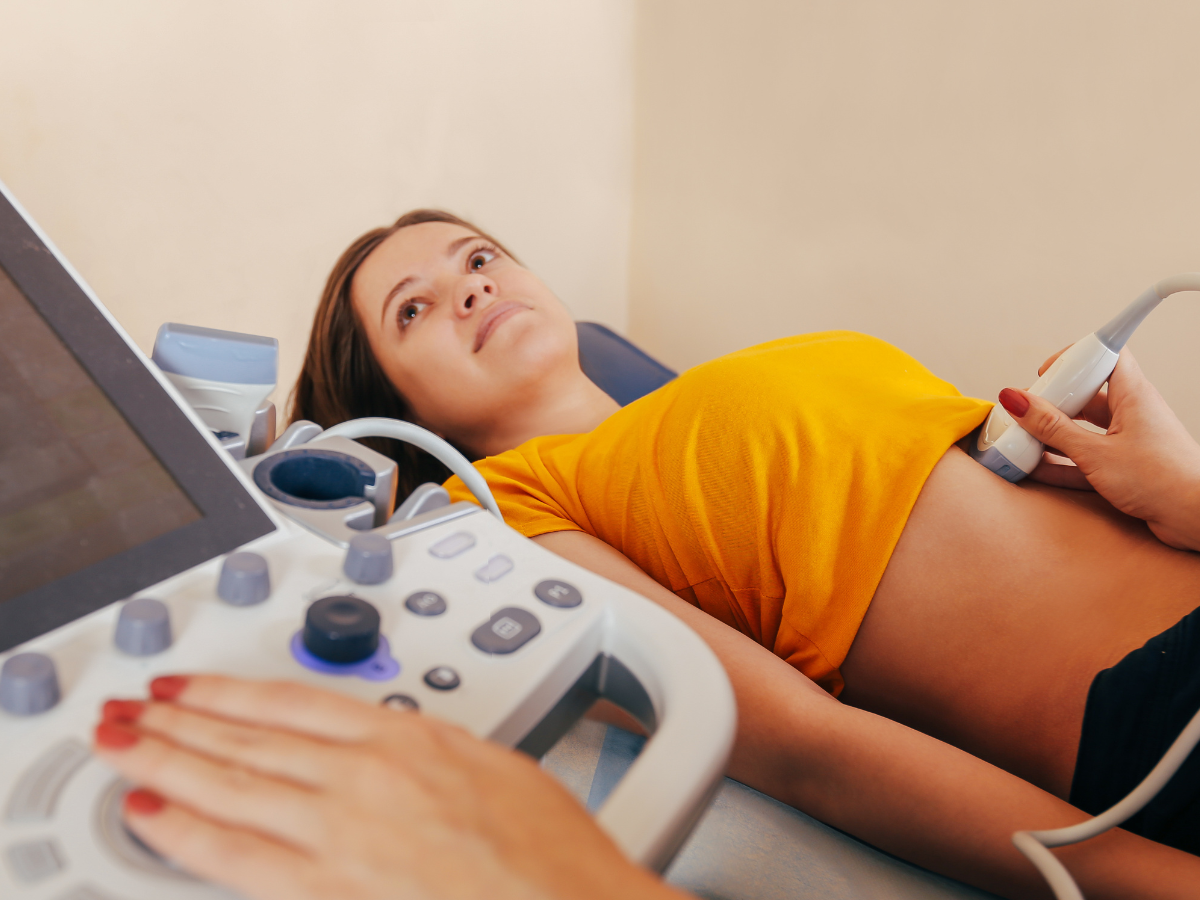
A scan over your tummy is done first, with a full bladder. An internal (transvaginal) scan usually gives a much clearer view; it is explained first and only performed with your consent. A chaperone is available. It is painless and takes about 20 minutes.
The sonographer discusses the findings with you on the day. Your written report follows, ready to share with your GP or gynaecologist.
Choose the location that works for you. Confirm your selected clinic in the booking system before completing your appointment.
Need something more personal?
Speak to the team before booking.
No. You can book directly. If your GP or specialist has asked for this scan, bring their letter so the sonographer knows what to focus on.
Often, yes. A transvaginal scan sits much closer to the uterus and ovaries and gives a far clearer view, particularly of the lining and the ovaries. The sonographer explains why it is suggested and asks for your consent first.
Yes. It does not prevent the scan, and for some questions — such as measuring the lining — particular days of the cycle are actually more useful. If you would rather not, book for another day.
It can show signs that point towards them — a polycystic appearance of the ovaries, or endometriomas — but a normal scan does not rule endometriosis out. The findings are read alongside your symptoms and blood tests.
Sudden severe pelvic pain, heavy bleeding, fainting, or pain with a positive pregnancy test needs urgent advice from NHS 111, or call 999 in an emergency.
This scan is commonly used to investigate:
We offer:
Your sonographer will explain both and proceed with your comfort and preferences in mind.
You will receive your images, results and a detailed report on the same day, securely emailed to you.
No referral is needed. You can book this scan privately and directly with us without involving your GP.
Use the booking form on this page and follow its Next buttons. Choose your scan option and appointment time, enter the requested details, then review the price before completing the booking.
Book your pelvic ultrasound below. Follow the booking form’s Next buttons to continue, one step at a time.
Loading the booking form…
Calendar not displaying? You can open the booking page in a new tab ↗.
Call the teamBooking this alongside another scan? Each scan keeps its own preparation. If anything is unclear, call us on 020 3318 1373 before your visit.
If you feel unwell, seek medical advice. This page is general information, not a diagnosis. For urgent concerns, contact your GP or NHS 111; in an emergency call 999.
Further reading: NHS guidance on fibroids · NHS guidance on endometriosis
Please choose a location and time slot to book your appointment. If you need any help with booking, please contact us. We’re available 7 days a week, from 7am to 10pm.
Please check what preparation is needed before your ultrasound scan below:
| All Pelvic scans Kidney and Urinary tract Prostate & Urinary Tract Appendicitis Early Pregnancy Scan | Drink One Liter of still water (2 Pints) One hour before your scan. Do NOT use the toilet so you would arrive with a full bladder. Medication can be taken as normal. |
| Liver scans Upper Abdomen Liver Fibroscan (Liver Elastography) | Do NOT eat for 6 hours prior to scan time. |
| Combination of above scans | Same as respective scan’s preparation. |